
Mastering Forex Day Trading Strategy: Tips and Techniques
In the fast-paced world of financial trading, forex day trading stands out as a popular approach for many traders. Investors seek to capitalize on short-term price movements, aiming to buy low and sell high within the same trading day. This article delves into an effective forex day trading strategy Crypto Trading Asia forex day trading strategy, including essential tips, tools, and best practices for success.
Understanding Forex Day Trading
Forex day trading involves the buying and selling of currency pairs within one trading day. Unlike swing trading or long-term investing, day traders do not hold positions overnight, as they aim to profit from smaller price fluctuations. The forex market operates 24 hours a day, five days a week, providing ample opportunities for traders to engage with large volumes and liquidity.
Key Characteristics of Day Trading
- Short-term Focus: Day traders often make multiple trades in one day, as they look for quick returns.
- Leverage: Many forex brokers provide leverage, allowing traders to control larger positions with a smaller amount of capital.
- Risk Management: Day traders must implement strict risk management strategies to protect their capital.
- Technical Analysis: Successful day traders rely heavily on technical analysis to predict market movements.
Developing a Forex Day Trading Strategy
Establishing a solid forex day trading strategy is crucial for success. Here are the key components to consider when crafting your approach:
1. Choosing Currency Pairs
Not all currency pairs are suitable for day trading. It is essential to focus on major pairs such as EUR/USD, GBP/USD, and USD/JPY, known for their liquidity and volatility. Minor pairs or exotic currencies may have wider spreads and lower trading volumes, making them less favorable for day trading.

2. Analyzing Market Conditions
A successful day trader is adept at analyzing current market conditions. News releases, economic data, and geopolitical events can significantly impact currency prices. Incorporating fundamental analysis alongside technical analysis can offer a more comprehensive view of the market.
3. Utilizing Technical Indicators
Technical indicators are valuable tools for day traders. Below are some widely used indicators:
- Moving Averages: A moving average helps smooth out price action and identify trends. Common types include the Simple Moving Average (SMA) and the Exponential Moving Average (EMA).
- Relative Strength Index (RSI): The RSI indicates overbought or oversold conditions, assisting traders in making informed entry and exit decisions.
- Bollinger Bands: These bands provide a visual representation of volatility and potential price reversals.
4. Risk Management Strategies
Risk management is the backbone of any successful trading strategy. Here are some vital tips:
- Set a Risk-to-Reward Ratio: Determine your risk tolerance and set a target for potential rewards. A common ratio is 1:2, where the potential reward is double the risk.
- Use Stop-Loss Orders: Implement stop-loss orders to protect your capital from significant losses. Place them at strategic levels based on your analysis.
- Position Sizing: Calculate the appropriate position size based on your account balance and risk tolerance. Never risk more than 1-2% of your trading capital on a single trade.
Creating a Trading Plan
A well-defined trading plan is essential for consistent success in day trading. Your trading plan should outline your entry and exit strategies, risk management rules, and performance evaluation criteria. Sticking to your plan helps eliminate emotional decision-making, which can lead to losses.

Staying Disciplined and Emotionally Resilient
Discipline is vital in day trading. Traders must adhere to their strategies, even in volatile market conditions. Emotional resilience is equally important; fear and greed can cloud judgment. Take breaks as needed, and avoid revenge trading after a loss.
Utilizing Trading Platforms and Tools
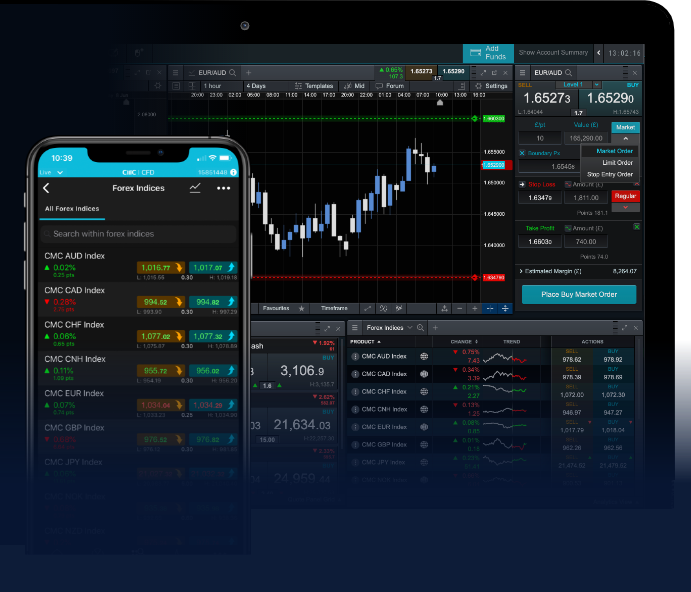
Leverage technology to enhance your trading experience. Numerous trading platforms such as MetaTrader 4 and 5, TradingView, and others provide essential tools and features for day traders, including real-time charts, customizable technical indicators, and trade execution capabilities. Familiarize yourself with your chosen platform to maximize efficiency.
Practicing with a Demo Account
Before committing real capital, it is wise to practice with a demo account. This enables you to become comfortable with your strategy and the trading platform without risking your funds. Many brokers offer demo accounts with simulated trading environments.
Continuously Learning and Adapting
The forex market is dynamic, and successful traders commit to continuous learning. Stay updated with market trends, trading strategies, and technical analysis advancements. Engage with educational resources such as webinars, online courses, and trading communities. Adaptability is crucial, as traders must adjust their strategies to changing market conditions.
Conclusion
Forex day trading requires a blend of skill, discipline, and knowledge. By developing a robust trading strategy, implementing effective risk management practices, and utilizing the right tools, traders can enhance their chances of success in this competitive market. Remember, consistent profit-making in forex requires patience, persistence, and a proactive approach to learning.

 Français
  English (UK)

